
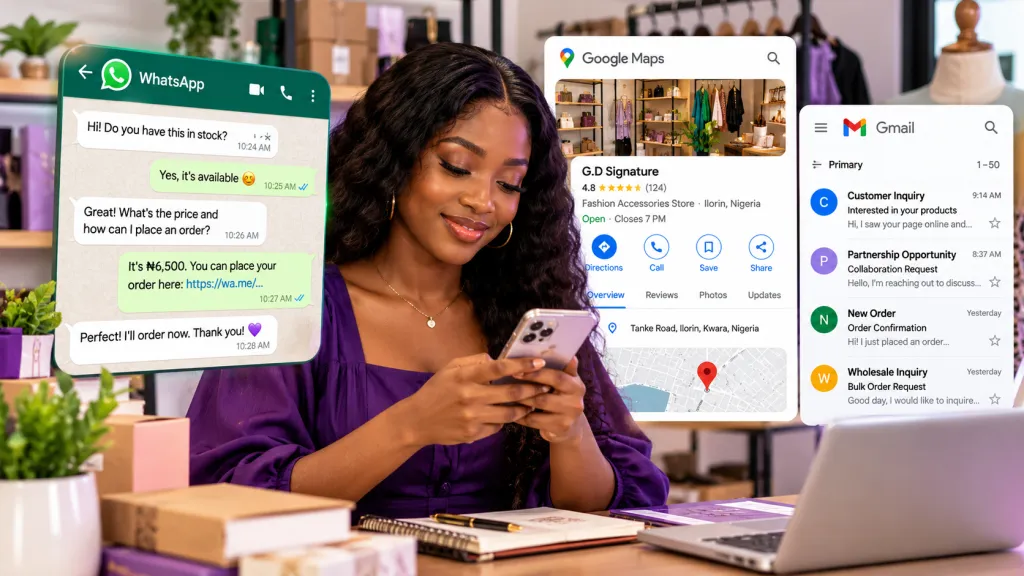


If you run a small business in Nigeria and you trying to generate leads or get new customers, you've probably had this experience: you turn on a Facebook or Instagram ad, get a burst of messages for a week or two, and then the moment you pause the budget, the enquiries stop coming. It's not that paid ads don't work; for many businesses they do. But they work only as long as the money is flowing. The moment cash flow gets tight, which happens often for small businesses, your entire pipeline of new customers can dry up with it.
This is the trap a lot of Nigerian entrepreneurs fall into: treating paid advertising as the only lever for getting new customers, instead of one lever among several. Paid media (ads you pay for), owned media (your website, WhatsApp, email list, social pages), and organic or earned channels (search rankings, referrals, reviews) all work differently, and the businesses that grow steadily tend to use a mix rather than relying on one alone.
This article walks through the organic and owned channels available to a Nigerian small business right now: what each one actually is, how it generates leads, how to set it up with the tools you already have, and what to track to know if it's working. None of this replaces paid ads if ads are part of your strategy; it gives you other channels so your business isn't entirely dependent on ad spend to survive a slow month.
Why Paid Ads Alone Can Be Risky for Small Businesses
Paid advertising is fast. You set a budget, choose an audience, and enquiries can start arriving within hours. That speed is valuable, especially when launching a new product or testing an offer. The limitation is that the visibility stops the moment the budget stops; there's no compounding effect. A blog post that ranks on Google, a WhatsApp catalog customers keep coming back to, or a Google Business Profile with genuine reviews keeps working for you long after you've stopped actively paying for it.
The goal of this article isn't to talk anyone out of paid ads. It's to help you build additional channels so a slow sales month, a depleted ad budget, or a platform policy change doesn't leave you with zero new leads.

1. Get Found on Google Through SEO
Search engine optimization (SEO) means structuring your website and content so that Google can understand what your business offers and show it to people actively searching for it. This matters because someone searching “where to get [your product/service] in [your city]” already has buying intent, they're not scrolling passively, they're looking.
How to implement it:
- Make sure your website (even a simple one-page site) clearly states what you do, where you're based, and how to contact you, in plain text, not only inside images, since Google reads text.
- Use the words your customers actually use. A caterer in Enugu should have phrases like “small chops for events in Enugu” on the page, not just “premium catering services,” because that's closer to how people search.
- Create a few pages or blog posts answering real questions your customers ask before buying, a skincare brand might write about “how to handle oily skin in Nigeria's humidity,” a consultant might write about “how to register a business name with CAC.”
Example: A bridal makeup artist in Ibadan who writes a short page titled “Bridal makeup prices in Ibadan” is far more likely to be found by an actual bride-to-be than one who only has an Instagram page, because that phrase reflects real search behavior and Instagram content isn't indexed by Google the same way a website is.
What to measure: Which pages bring in visits from Google (visible in free tools like Google Search Console), and whether those visitors take an action, message you, call, or fill a form.
2. Build a Simple, Fast Website or Landing Page
A lot of Nigerian small businesses operate entirely from an Instagram or WhatsApp Business page, which works, but it puts your business at the mercy of a platform you don't own: if the account is restricted or the algorithm changes, your visibility can disappear overnight. A website you own gives you a stable base that isn't affected by platform changes, and it's what makes SEO possible in the first place, since Google mainly indexes websites, not social profiles.
How to implement it:
- You don't need a large, multi-page website to start. A single, well-written landing page with your services, location, prices or price range (where appropriate), photos, and a clear contact method is enough to begin.
- Make sure the page loads quickly and displays properly on a phone, since most Nigerian internet users browse on mobile data, and a slow page will lose visitors before it loads.
- Put your WhatsApp number and Google Business Profile link on the site so visitors can move to a channel where they're comfortable converting.
Example: A small logistics/dispatch business with a one-page site listing coverage areas, pricing tiers, and a “chat on WhatsApp” button gives potential customers a reason to trust the business is real and reachable, before they've messaged anyone.
What to measure: How many visitors reach the site and how many of them click through to WhatsApp, call, or fill a contact form; this ratio tells you whether the page is actually converting interest into enquiries.
3. Claim and Optimise Your Google Business Profile
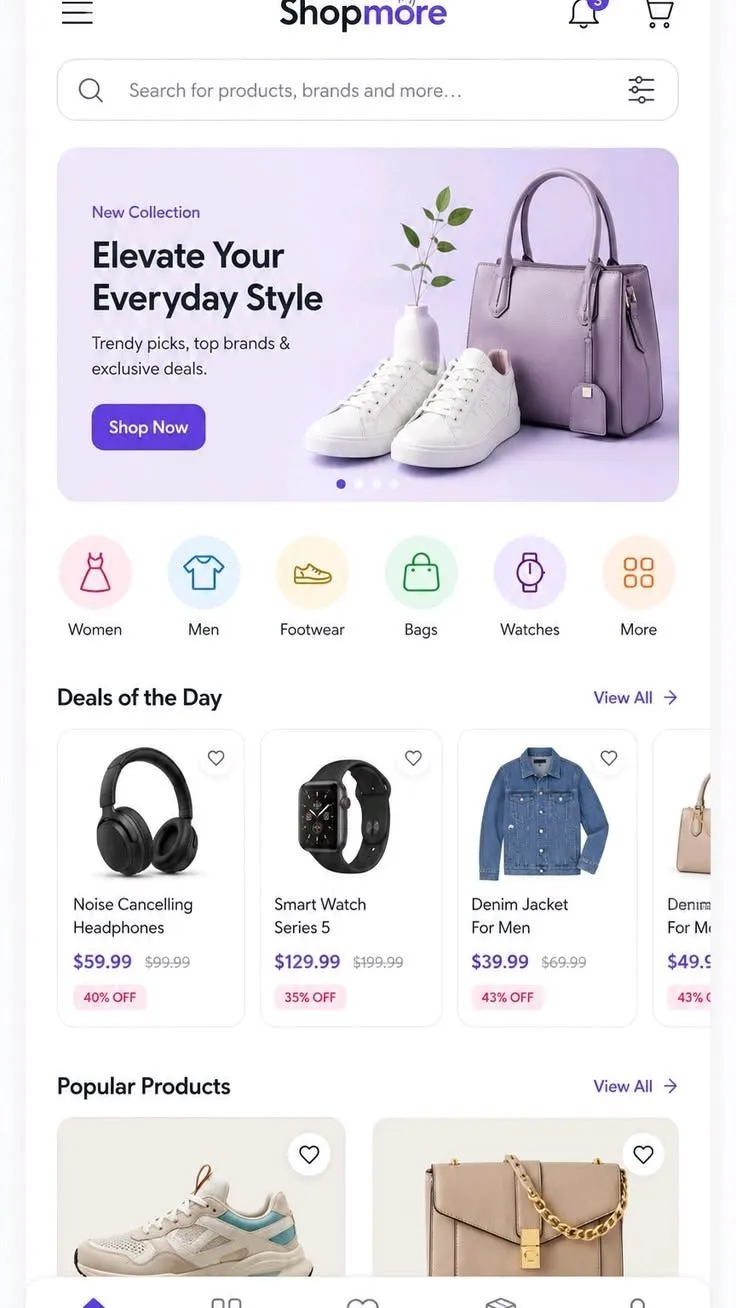
Google Business Profile (formerly Google My Business) is a free listing that controls how your business shows up on Google Maps and in local search results: the map with three business listings you see when you search “hair salon near me” or “plumber in Surulere.” For any business that serves customers in a specific area or city, this is one of the highest-value, lowest-effort channels available, because it's free to set up and directly reaches people who are actively looking for what you offer nearby.
How to implement it:
- Claim your listing at business.google.com if you haven't already, using accurate business hours, category, phone number, and address (or service area if you don't have a walk-in location).
- Add real photos of your work, your space, or your products; profiles with genuine photos tend to feel more trustworthy to someone deciding between several similar businesses.
- Actively ask satisfied customers to leave a review, and reply to every review you get, good or bad; this shows both Google and future customers that the business is active and responsive.
Example: A small restaurant in Port Harcourt with a complete, actively updated Google Business Profile and a steady flow of genuine reviews is more likely to appear when someone nearby searches “restaurants near me,” compared to a similar restaurant with no profile at all.
What to measure: Google Business Profile has a built-in performance section showing how people found your listing (search vs. Maps) and what they did next: called, visited the website, or asked for directions.
4. Use Content Marketing to Build Trust Before the Sale
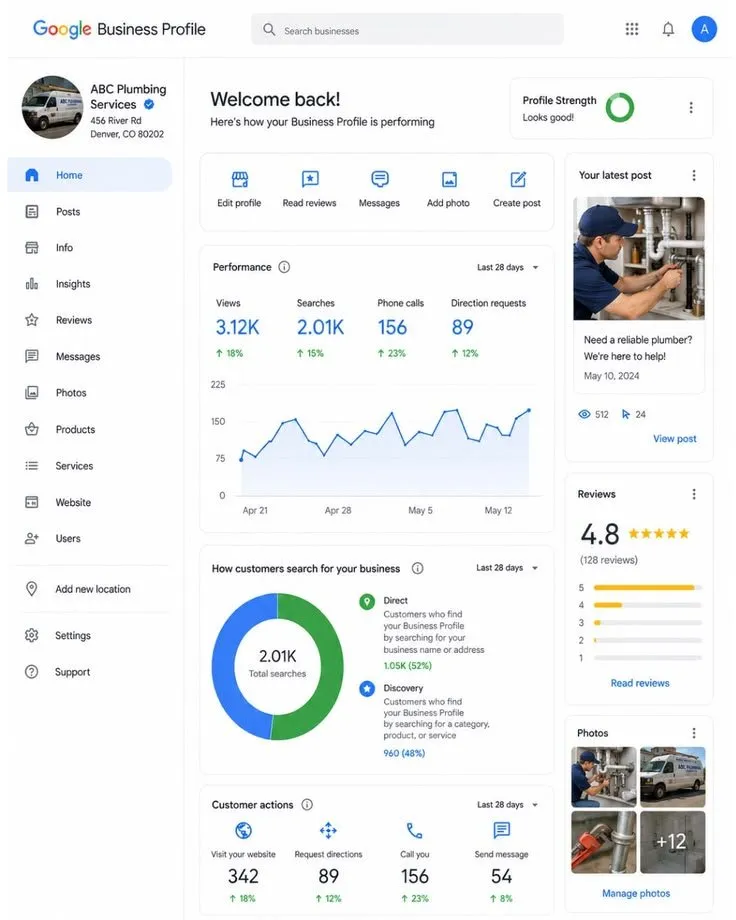
Content marketing means creating useful, free content (blog posts, short videos, guides, explainer posts) that answers questions your potential customers already have, rather than only posting product photos or sales messages. It works because most buying decisions in Nigeria, especially for services, involve some level of trust-building first; people want to see that you know what you're doing before they hand over money.
How to implement it:
- Pick 5–10 real questions your customers ask you before buying (in DMs, at the shop, during consultations) and answer each one properly in a post, video, or short article.
- Repurpose one piece of content across formats: a blog post can become a WhatsApp status update, an Instagram carousel, and a short video, without rewriting from scratch each time.
- Keep the content genuinely useful rather than only self-promotional: a beauty business explaining “how to actually patch-test a new skincare product” builds more trust than one that only posts “our products are the best.”
Example: A small business consultant who regularly posts short, practical explanations (like “the difference between a business name and a limited liability company in Nigeria”) positions themselves as someone who understands the subject, which matters more for service businesses than flashy visuals do.
What to measure: Which specific pieces of content lead to actual enquiries (you can ask new leads “how did you hear about us” and track the pattern over time), not just likes or views.
5. Turn Social Media Into a Lead Channel, Not Just a Feed
Almost every Nigerian small business already has an Instagram, TikTok, or Facebook page. The gap is usually that the page exists without a clear path from “someone likes this post” to “someone becomes a lead.” Posting alone rarely converts; posting with a deliberate next step does.
How to implement it:
- End relevant posts with a specific instruction, “DM us to book,” “Tap the link in bio to see prices,” “Send 'PRICE' on WhatsApp”, rather than leaving the next step unclear.
- Use Instagram/Facebook's link-in-bio space for your website or a WhatsApp link, not left blank or pointed only at the home feed.
- Show real behind-the-scenes content (how a product is made, a day in the business, an honest customer interaction) since this tends to build more genuine interest than polished, ad-style content alone.
Example: A fashion vendor who posts a new outfit and captions it with “Available in sizes 8–16, send 'ORDER' on WhatsApp to buy” gives a much clearer path to a sale than one who posts the same photo with only a caption about the fabric.
What to measure: How many enquiries or DMs specific posts generate, not only likes and shares, since engagement doesn't always translate into leads.
6. Make WhatsApp Your Conversion Channel
Across most consumer and service businesses in Nigeria, WhatsApp tends to be where the actual buying conversation happens, regardless of where the customer first discovered the business: Google, a referral, Instagram, or an ad. Recognising this changes how you should think about WhatsApp: not as an afterthought, but as the point where interest turns into a sale.
How to implement it:
- Set up WhatsApp Business (free), which adds features the regular app doesn't have: a product catalog customers can browse inside the chat, quick replies for frequently asked questions, an automated greeting message for first-time contacts, and labels to organise chats by status (new enquiry, order placed, payment pending, and so on).
- Build a catalog with clear photos, prices, and short descriptions so customers don't have to ask “how much” for every single item.
- Use an away message outside business hours so people know when to expect a reply, instead of being left wondering if the business is active.
Example: A small food business with a WhatsApp catalog showing dishes, prices, and delivery areas lets a customer browse and decide before ever messaging, which shortens the path from “curious” to “ordering.”
What to measure: How many chats start (via the “message business” button, catalog views, or the “chat on WhatsApp” link on your site or social bio) and what share of those chats become paying customers.

7. Build and Use an Email List
Email marketing is often overlooked by Nigerian small businesses in favour of WhatsApp and social media, but it remains useful for staying in touch with past customers and warm leads over time, especially for businesses with a longer decision process: consultants, B2B services, higher-ticket products.
How to implement it:
- Collect emails naturally: a simple sign-up field on your website, a “get our price list by email” offer, or a note at checkout for existing customers.
- Send occasional, genuinely useful emails: a seasonal offer, a helpful tip, an update on new products, rather than emailing only when you want a sale, which trains people to ignore your messages.
- Keep the list small and real. A short list of people who actually opened your business is more valuable than a large list of addresses nobody engages with.
Example: A consulting business that sends a short monthly email with one practical tip and a mention of current availability keeps itself top-of-mind for clients who aren't ready to buy yet but will be in a few months.
What to measure: Open rates and, more importantly, how many people reply or take action after an email, that's a better signal of genuine interest than opens alone.
8. Offer a Lead Magnet Where It Genuinely Fits
A lead magnet is something free and useful you offer in exchange for someone's contact information, an email address or a WhatsApp number, so you can follow up later. It's most useful for businesses where the buying decision isn't instant, and less necessary for businesses where people buy on the spot (a food vendor typically doesn't need one; a consultant or course creator often benefits from one).
How to implement it:
- Keep it directly useful to your specific audience: a checklist, a short guide, a price list, a free consultation slot, not a generic giveaway unrelated to what you sell.
- Make the exchange simple: “Send your email/WhatsApp number for the free guide” rather than a long form that adds friction.
- Follow up with the people who take it. A lead magnet without follow-up is just free content with no business purpose.
Example: A small business coach offering a short “business registration checklist for Nigeria” in exchange for a WhatsApp number creates a natural reason to start a conversation with someone who's still deciding whether to become a client.
9. Let Customer Reviews Do Some of the Selling
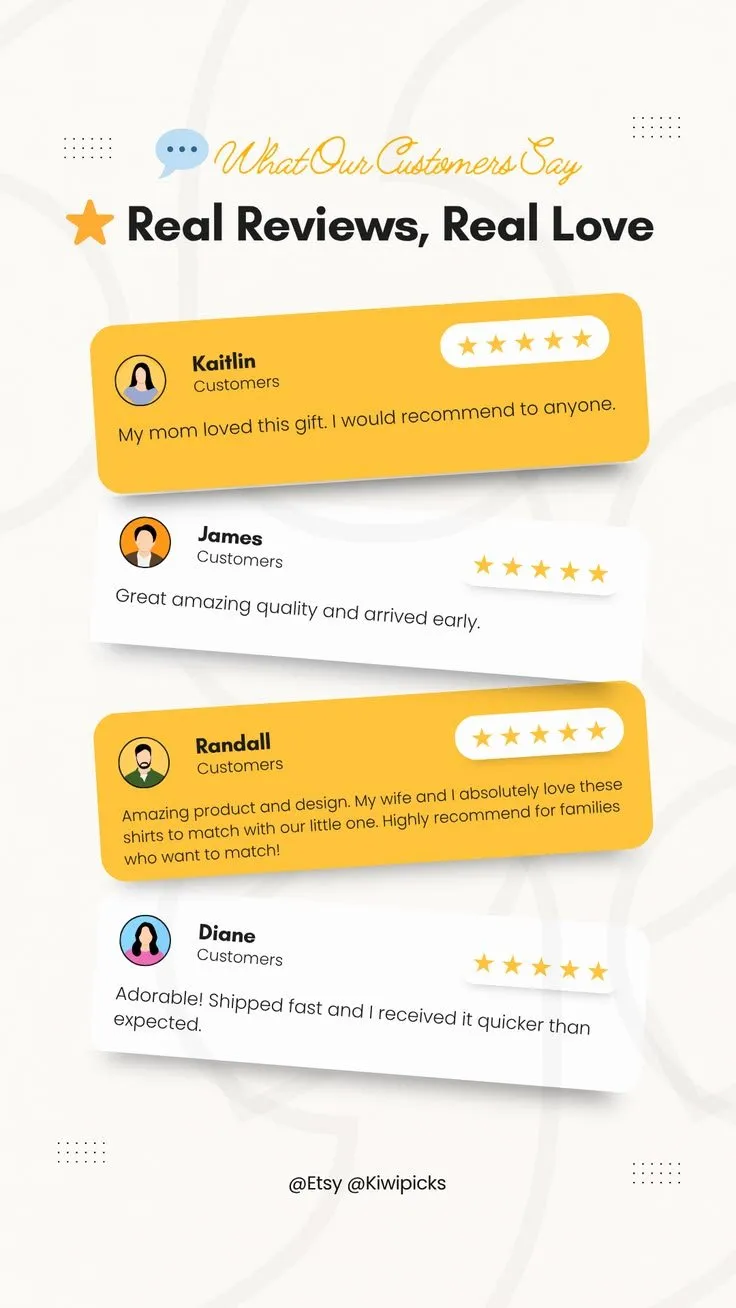
Nigerian buyers, like most buyers, tend to trust the experience of other customers over a business's own claims about itself. Reviews and testimonials, when genuine, reduce the hesitation a new customer feels before reaching out for the first time.
How to implement it:
- Ask satisfied customers directly for a review; most people won't leave one unprompted, not because they're unhappy, but because it simply doesn't occur to them.
- Collect reviews in more than one place: Google Business Profile, Instagram highlights, or a simple “what our customers say” section on your website.
- Share specific, honest feedback rather than vague praise: a review that mentions exactly what the customer needed and how it was handled is more persuasive than “great service!”
Example: A small e-commerce store that pins a few detailed customer messages (with permission) to its Instagram highlights gives new visitors social proof before they've spoken to anyone at the business.
10. Improve What Happens After Someone Shows Interest
Generating interest is only half the work; conversion optimization is about making sure that interest doesn't get lost once someone reaches out. This is often where small businesses lose leads without realising it: slow replies, unclear pricing, or no clear next step after the first message.
How to implement it:
- Reply as quickly as realistically possible. A same-day reply to a Nigerian small business enquiry is far more likely to convert than one that comes two or three days later, by which point the customer has usually moved on.
- Make your pricing or process easy to find, even if it's a range rather than an exact figure; uncertainty about cost is one of the most common reasons people stop responding.
- Always end a conversation with a next step: “Would you like me to hold this for you?” or “I can have this ready by Thursday, shall I proceed?” rather than leaving the conversation to fizzle out.
11. Track and Measure What's Actually Working
Without some form of tracking, it's easy to keep doing what feels productive (posting daily, for example) without knowing whether it's actually bringing in customers. Measurement doesn't need to be complicated to be useful.
How to implement it:
- Ask every new customer, simply, “how did you hear about us?” and keep a running note of the answers, even in a basic spreadsheet or notebook.
- Use the free analytics already built into the tools you're using: Google Search Console and Google Analytics for a website, Google Business Profile's own insights, and Instagram/Facebook's built-in insights for social content.
- Review this monthly rather than daily: patterns are more visible over weeks than day to day, and daily checking often leads to reacting to noise rather than real trends.
Bringing It Together
None of these channels work instantly, and that's worth being honest about. SEO can take months to show results. A Google Business Profile needs real reviews to build trust, which takes time to accumulate. Content marketing compounds slowly. What they have in common is that, once built, they keep generating leads without needing a live budget behind them, which is exactly what makes them a useful complement to paid advertising rather than a replacement for it.
Conclusion
Paid ads will keep working as long as the budget does, and that's a real advantage when you need visibility quickly. But a business that depends entirely on ad spend for new customers is one slow month away from a quiet pipeline. Building a Google Business Profile, a simple website, a WhatsApp catalog, some genuinely useful content, and a habit of asking for reviews doesn't cost much beyond time and consistency, and once in place, these channels keep working for you between ad campaigns, during tight months, and long after any single ad has stopped running.
Start with one or two channels most relevant to how your customers already find and buy from businesses like yours, do them properly, and measure what's working before adding more. That's a more durable foundation than chasing every channel at once, and if you'd rather have a marketing partner handle the strategy and execution while you focus on running the business, that's exactly the kind of support a digital marketing agency like Kosher Leads is built to provide.
Frequently asked questions
How can a small business in Nigeria generate leads online without paid ads?
Build channels you own or earn instead of renting attention. Set up a Google Business Profile and a simple website, then add a WhatsApp Business catalog, useful content, an email list and customer reviews. Start with one or two that match how your customers already buy, and track which ones bring enquiries.
Do I need a website to get leads without paid ads?
You can start without a big one, but you should have a page you own. A single landing page with your services, location, prices or a price range, photos and a clear contact method is enough to begin. It also makes SEO possible, because Google mainly indexes websites, not social profiles.
Is a Google Business Profile free?
Yes, it is free to set up. It controls how your business shows on Google Maps and in local search, so it suits any business that serves customers in a particular area. Add accurate hours, your address or service area and real photos, then ask happy customers for reviews.
How long does it take to get leads without paid ads?
Longer than paid ads, which can bring enquiries within hours. SEO can take months to show results, a Google Business Profile needs real reviews to build trust, and content marketing compounds slowly. Once these channels are built, they keep generating leads without a live budget behind them.
Why is WhatsApp so important for getting leads in Nigeria?
In most consumer and service businesses in Nigeria, WhatsApp tends to be where the buying conversation happens, whichever channel the customer came from. WhatsApp Business is free and adds a product catalog, quick replies, a greeting message, an away message and labels to organise your chats.
How do I know which channel is bringing me customers?
Ask every new customer how they heard about you and keep a running note of the answers. Then check the free insights in Google Search Console, Google Analytics, Google Business Profile and Instagram or Facebook. Review the numbers monthly rather than daily, because patterns show over weeks.