

If you run a small business, you've probably heard that content marketing is important. What you might not have heard is that it doesn't require a big budget, a marketing agency, or a team of writers to get started. Some of the most effective content comes from businesses that simply paid attention to what their customers were already asking and turned those answers into something useful.
Content marketing works because it builds trust before a sale happens. When a potential customer finds a helpful blog post, a clear how-to guide, or an honest customer story, they start to see your business as knowledgeable and reliable. That trust is often what tips someone from “just browsing” to “ready to buy.”
The ten ideas below are practical, low-cost, and realistic for a small team. You don't need to do all of them at once. Pick a few that fit your business and your capacity, and build from there.

1. Write Helpful Blog Posts
A blog is one of the simplest ways to answer the questions your customers already have, in a format that search engines can find and index.
Why it works: People search for answers before they search for businesses. If someone searches “how to remove a wine stain from carpet” and your cleaning business has a blog post answering exactly that, you've reached them before a competitor did, and before they even knew they needed your service.
Example: A small accounting firm could write a post titled “What Small Business Owners in Nigeria Need to Know Before Filing Annual Returns.” It answers a real question, demonstrates expertise, and naturally positions the firm as a resource.
Actionable tips:
- Keep a running list of questions customers ask before, during, and after a purchase.
- Write in plain language. Avoid industry jargon unless you explain it.
- Include a clear next step at the end of each post, such as a contact link or related resource.
- Update older posts occasionally rather than only publishing new ones.
2. Turn Customer Questions Into Content
Every DM, email, and sales conversation is a content idea waiting to happen. If one customer asked a question, there's a good chance other potential customers have the same question but never asked it out loud.
Why it works: This content requires no guesswork about what your audience wants to know. You already have the evidence.
Example: A skincare business that keeps getting asked “can I use this product if I have sensitive skin?” could turn that into a short post or social media caption addressing the concern directly, with practical guidance rather than a vague “it depends.”
Actionable tips:
- Keep a simple running document where you or your team log recurring questions.
- Review your inbox, comments, and WhatsApp chats monthly for patterns.
- Turn one question into multiple formats: a short caption, a longer blog post, or a quick video.
- Don't just answer the question. Explain the “why” behind the answer so it feels useful, not transactional.
3. Create How-To Guides
Step-by-step guides show potential customers that you understand your subject well enough to break it down clearly. They also tend to get saved, shared, and revisited, which extends their value over time.
Why it works: A good how-to guide solves a specific problem completely. It doesn't just tease an answer, it delivers one, which builds genuine goodwill with the reader.
Example: A furniture business could publish “How to Measure Your Living Room Before Buying a Sofa,” walking through the exact steps a customer would take. It's useful whether or not the reader buys from that business, but it quietly builds preference toward the one that helped them.
Actionable tips:
- Choose a task your customers genuinely struggle with, not just something easy to write about.
- Use numbered steps and clear subheadings so the guide is easy to follow.
- Add photos, screenshots, or simple diagrams where they clarify a step.
- End with a note on how your product or service fits into the process, without forcing a sales pitch.
4. Share Customer Stories and Case Studies
Potential customers trust other customers more than they trust a business talking about itself. A well-told customer story does more to build credibility than almost any other type of content.
Why it works: Stories are specific and believable. “We helped a local bakery increase online orders through a simple menu redesign” is more convincing than “we help businesses grow.”
Example: A web design studio could write a short case study on one client project: what the client needed, what the studio did, and what changed as a result, described honestly rather than with inflated claims.
Actionable tips:
- Ask happy customers if they're willing to share their experience, and always get permission before publishing.
- Focus on the customer's problem and the process, not just the outcome.
- Use real details and direct quotes where possible, since specifics make a story more believable than generalities.
- Avoid exaggerating results. Honest, modest claims build more long-term trust than big promises.
5. Repurpose Existing Content
You don't need a new idea for every piece of content. One solid blog post, video, or guide can be broken down into several smaller pieces across different platforms.
Why it works: Repurposing saves time and lets your best ideas reach people who prefer different formats. Some customers read blog posts, others only scroll Instagram, and others check email.
Example: A fitness coach could take one blog post on “5 Warm-Up Exercises Before a Home Workout” and turn it into an Instagram carousel, a short explainer video, a WhatsApp status update, and a line in a newsletter.
Actionable tips:
- After publishing a longer piece, pull out 3 to 5 key points to turn into standalone social posts.
- Convert written tips into a short video or voice note for platforms where that performs better.
- Reuse strong content seasonally rather than assuming people remember it from months ago.
- Keep a simple content calendar so repurposed pieces don't all go out the same week.
6. Create Useful Listicles
List-based content is easy to scan, easy to share, and easy for readers to act on. For small businesses with limited time, listicles are also quicker to plan and write than long narrative articles.
Why it works: Readers can judge at a glance whether a list is worth their time, and the format naturally breaks information into digestible pieces.
Example: A plant nursery could publish “7 Indoor Plants That Survive Low Light and Minimal Watering,” which is specific, useful, and naturally showcases products the nursery sells.
Actionable tips:
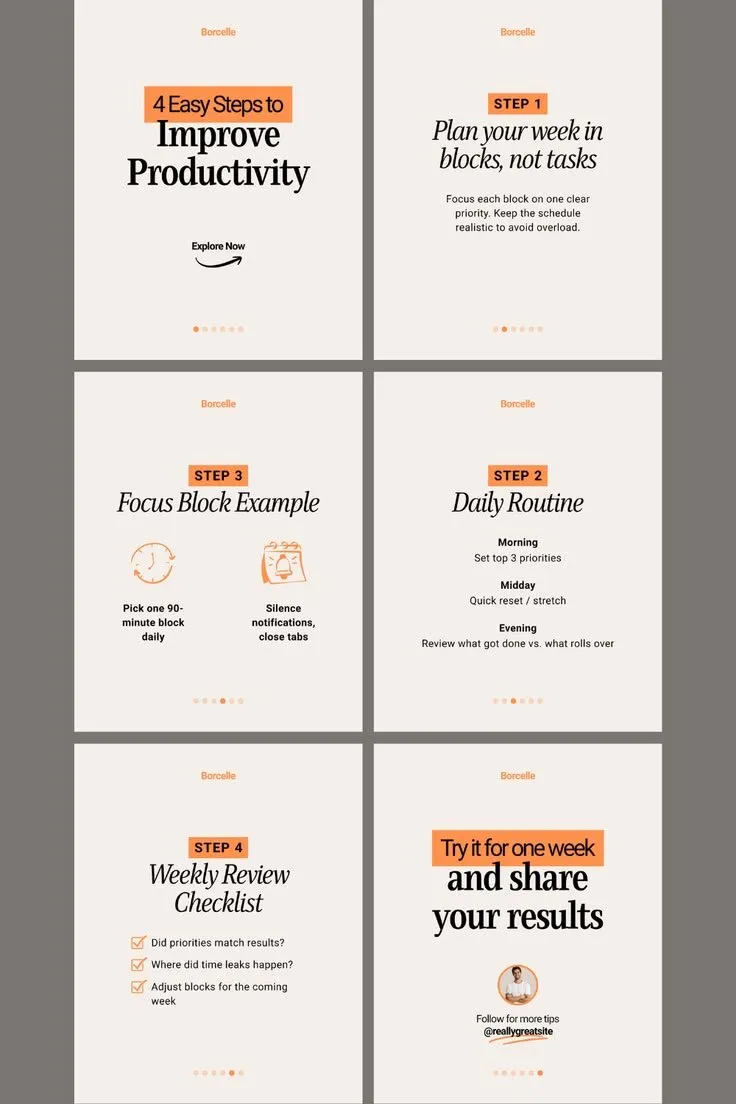
- Keep the list specific rather than generic. “7 Low-Maintenance Plants for Lagos Apartments” performs better than “Great Plants to Own.”
- Use odd numbers in titles when natural, since they tend to read as more deliberate and curated.
- Add a short explanation under each list item instead of just naming it.
- Link or reference related products or services naturally within the list, without forcing every item toward a sale.
7. Share Industry Tips and Insights
You don't need to be a famous expert to share useful knowledge. Everyday lessons from running your business are often more relatable and practical than polished “expert” advice.
Why it works: Small, honest insights show that you're actively engaged in your industry, not just selling a product and disappearing. They also help position you as someone worth following and listening to.
Example: A small logistics company could share a short post titled “3 Things We Learned About Packaging Fragile Items After Years of Deliveries,” offering real, specific lessons rather than generic advice.
Actionable tips:
- Share what you've learned, including mistakes, not just polished wins.
- Keep posts short and conversational rather than overly formal.
- Comment on relevant trends or changes in your industry when they affect your customers.
- Be consistent rather than occasional. A few thoughtful posts a month build more trust than one post every few weeks.
8. Create Free Resources
Checklists, templates, and simple guides give potential customers something immediately useful, often in exchange for an email address or a follow, which helps you stay in touch with people who aren't ready to buy yet.
Why it works: Free resources solve a small problem quickly, which builds goodwill and demonstrates value before any money changes hands.
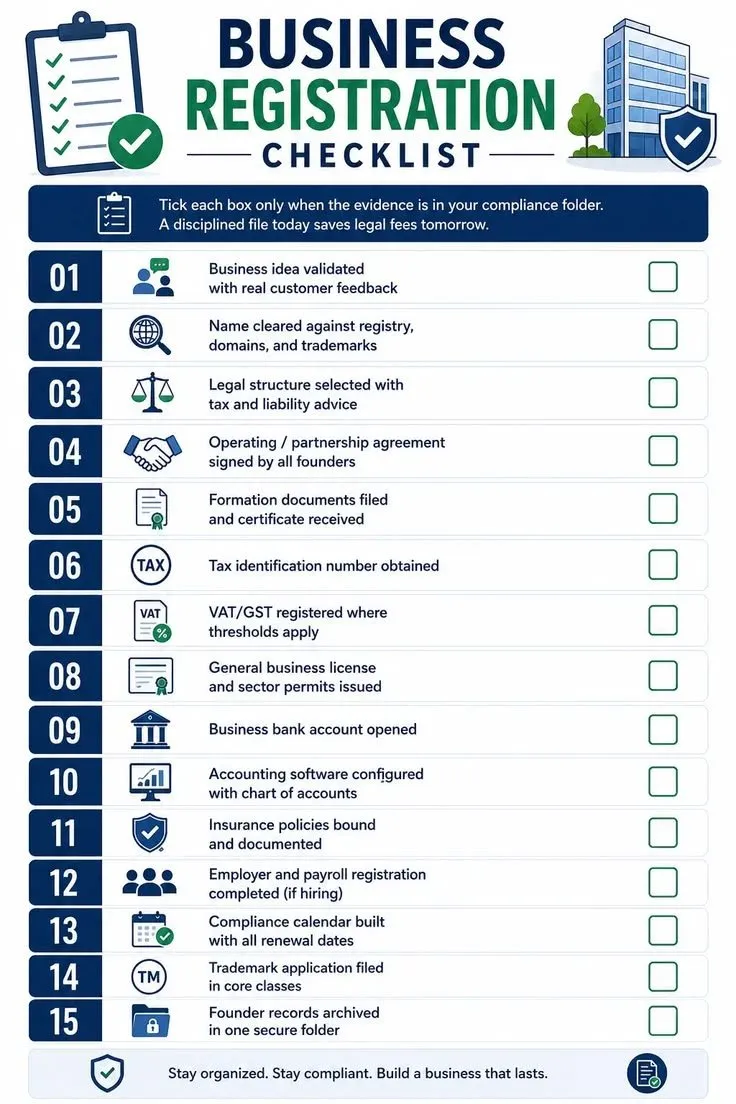
Example: A business consultant could create a simple “New Business Registration Checklist” as a downloadable PDF, giving potential clients a reason to engage even before they're ready to hire.
Actionable tips:
- Keep the resource focused on one clear problem rather than trying to cover everything.
- Design it simply and legibly. It doesn't need to be elaborate to be useful.
- Make it easy to access, with minimal steps between interest and download.
- Follow up with people who download it, since they've already shown genuine interest.
9. Create Valuable Email Content
Email is often underused by small businesses, but it remains one of the most direct ways to stay connected with people who already know you, without depending on an algorithm to show them your content.
Why it works: An email list is something you own. Unlike social media followers, a subscriber's inbox isn't subject to platform changes or algorithm shifts.
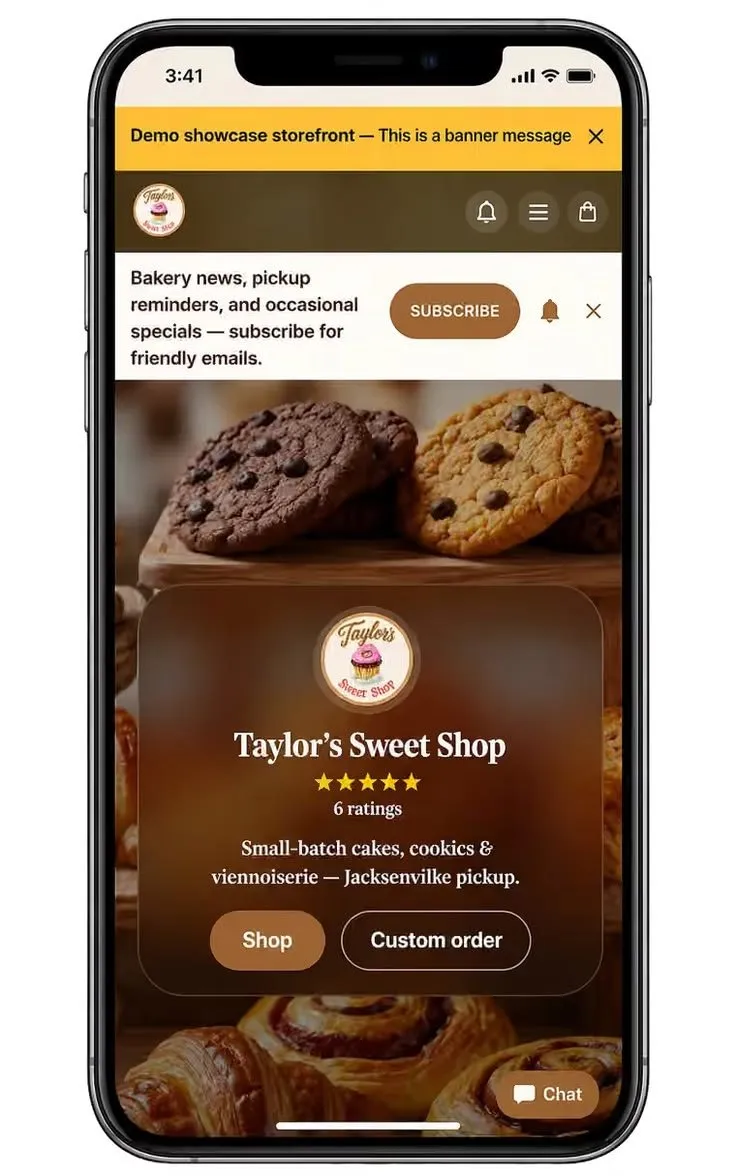
Example: A bakery could send a short monthly email featuring a new menu item, one baking tip, and a small seasonal offer, giving subscribers a reason to open it beyond just promotions.
Actionable tips:
- Send value, not just sales messages. A tip, story, or useful update keeps people engaged.
- Keep emails short and easy to read on a phone.
- Be consistent with timing so subscribers know roughly when to expect your emails.
- Make unsubscribing easy and respected, since a smaller engaged list is more valuable than a large disengaged one.
10. Create Educational Content About Your Products or Services
Not every piece of content needs to be a direct sales pitch. Educational content about how your product works, how to use it well, or what makes it different builds understanding and trust over time.
Why it works: Customers make better decisions, and feel more confident about them, when they understand what they're buying and why it matters.
Example: A skincare brand could publish a post explaining the difference between their everyday moisturizer and their night cream, including which skin types each is best suited for, rather than simply listing prices.
Actionable tips:
- Explain the “why” behind your product's features, not just the features themselves.
- Address common misconceptions customers may have about your industry or product category.
- Use simple comparisons or analogies to explain anything technical.
- Mix educational content with other types so your page doesn't feel like a constant pitch.
Conclusion
Content marketing doesn't require a huge budget, a large team, or constant posting across every platform. It requires consistency, honesty, and a genuine understanding of what your customers want to know. Helpful blog posts, customer stories, how-to guides, and useful resources all do the same underlying job: they build trust before a sale happens.
Rather than trying to implement all ten of these ideas at once, choose two or three that fit your business and your current capacity. A small business that consistently publishes one helpful piece of content a week will, over time, build more trust and visibility than one that tries everything briefly and then stops. Start small, stay consistent, and let your content grow alongside your business.
Frequently asked questions
What are the best content marketing ideas for small businesses?
Start with helpful blog posts, answers to customer questions, how-to guides and customer stories. You can also repurpose content you already have, write listicles, share industry tips, offer free resources, send useful emails and explain your products. You do not need all ten, so pick two or three that fit your capacity.
Do I need a big budget for content marketing?
No. Content marketing ideas for small businesses do not need a big budget, an agency or a team of writers. Some of the most effective content comes from answering questions your customers already ask. Start with two or three ideas that fit your capacity, and build from there.
How often should a small business publish content?
One helpful piece of content a week is a realistic target for a small business, and consistency matters more than volume. A business that publishes steadily will, over time, build more trust and visibility than one that tries everything briefly and then stops.
How do I find content ideas for my small business?
Start with your customers' questions. Log what people ask in DMs, emails, comments, WhatsApp chats and sales conversations, then review them monthly for patterns. Each recurring question can become a short caption, a blog post or a quick video, so you never have to guess what your audience wants to know.
Does content marketing really help small businesses sell?
Yes, because it builds trust before a sale happens. A helpful blog post, a clear how-to guide or an honest customer story shows people that your business is knowledgeable and reliable, and that trust often tips someone from browsing to ready to buy.
Is email still worth using for a small business?
Yes. An email list is something you own, and a subscriber's inbox is not affected by platform changes or algorithm shifts. Send short, useful emails at a regular time, such as a monthly tip with a small offer, and keep the list engaged rather than large.