
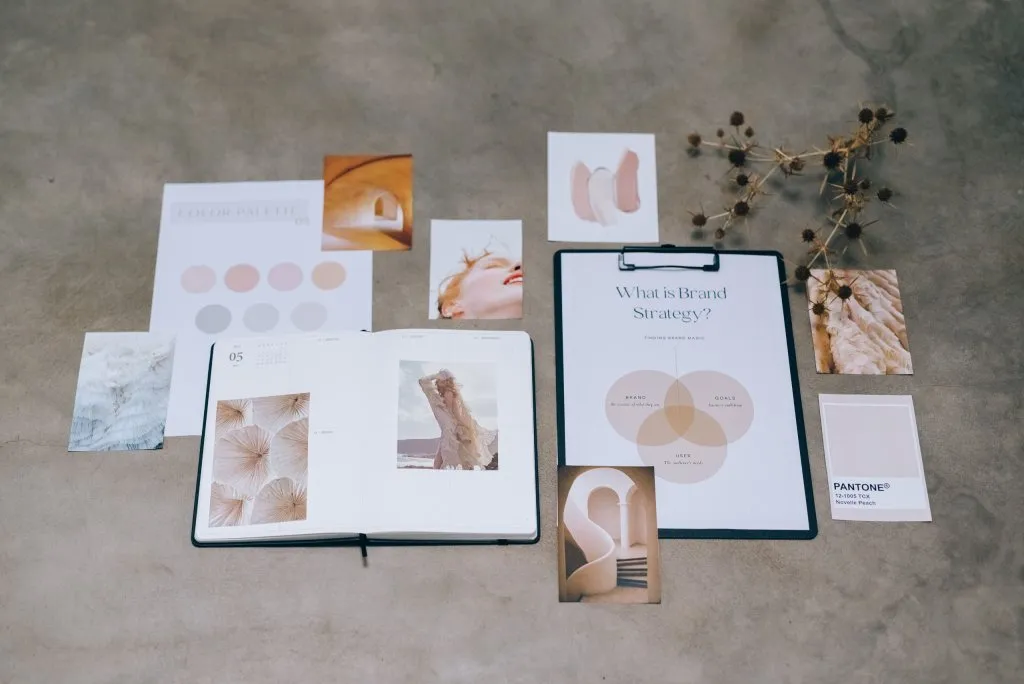


Starting a business with limited money can make branding feel like another expense you cannot afford. There is a logo to design, colours to choose, social media pages to set up, packaging to think about, and somehow everyone is telling you that you need a “strong brand identity.”
Branding on a budget can still give your business a clear and recognizable identity.
The good news is that you do not need a huge budget to start building a recognizable brand.
For small businesses, branding is less about how much money you spend and more about how clearly and consistently you present your business. If you understand the basics and spend your money carefully, you can create a professional brand while your business is still growing.
What is a brand really?
A brand is more than a logo.
Your logo is one part of your visual identity, but your brand is the overall impression people have when they interact with your business. It includes what you sell, how you communicate, how your business looks, how customers experience your service, and what they remember about you.
Think about two businesses selling similar products. One has a clear personality, consistent visuals and a recognizable way of communicating. The other changes its colours every week, uses a different tone in every post and gives customers a completely different experience each time.
Even if their products are similar, people are more likely to remember the first business.
This is why branding for small business in Nigeria should not begin with, “How much will a logo cost?” It should begin with, “What do I want people to remember about my business?”

Consistent branding makes a business easier to recognize.
Start with your name, colours and voice
You do not need an elaborate brand identity to get started. You need a few elements that work together.
Start with your business name. It should be easy to remember, pronounce and spell. Before settling on a name, check whether it is already being used and whether you can create consistent social media handles around it.
Next, choose your colours. You do not need seven different colours just because you like all of them. Pick a small colour palette that fits the personality of your business and use it consistently.
Then think about your brand voice.
How should your business sound when it communicates with customers? Friendly? Professional? Playful? Bold? Educational?
For example, a beauty brand targeting young women might have a fun and conversational voice, while a financial services company may need a more professional and reassuring tone.
There is no single correct brand voice. What matters is choosing one that makes sense for your audience and using it consistently.
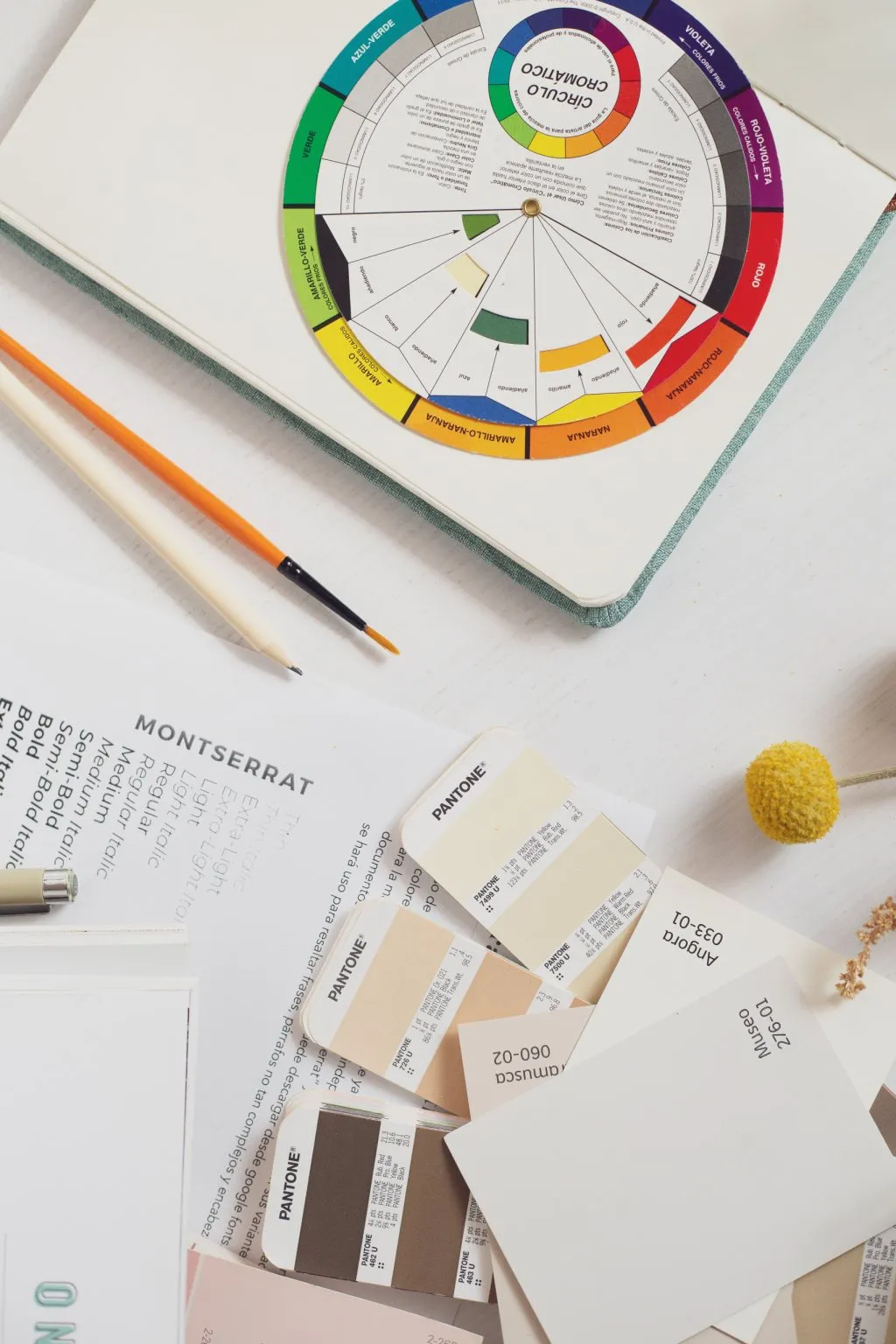 A simple brand guide can keep your visual identity consistent.
Know where to spend and where to save
Branding expenses deserve the same attention when branding on a budget.
Spend money on things that directly affect how customers experience your business. Depending on your type of business, this could include quality product photography, packaging, a professional logo and other essential brand assets.
You can also invest in professional help when you reach a point where doing everything yourself is limiting the quality of your business.
But there are things you can save on when you are starting out.
You do not need to redesign your logo every few months because another business has a nicer one. You do not need an expensive website before you have a clear reason for needing one. You also do not need to pay for every social media graphic if you can create simple, consistent designs yourself using tools such as Canva.
The goal is not to make your business look expensive. The goal is to make it look intentional.
Stay consistent across every channel
Imagine discovering a business on Instagram with a particular colour palette, tone and style, then visiting its website and finding something completely different.
It can make the business feel less established, even if the actual product is good.
Consistency helps people recognize your brand.
Your Instagram, TikTok, Facebook, LinkedIn, WhatsApp Business profile, website and even your packaging do not have to look exactly the same. Each platform has its own format and audience. However, they should still feel like they belong to the same business.
Use the same core colours, maintain a similar tone of voice, communicate the same brand message and keep your visual style recognizable.
You can start by creating a simple brand guide for yourself. It does not have to be a 50-page document. A few pages covering your colours, fonts, logo usage, tone of voice and basic visual direction can be enough to keep your content consistent.
 Different platforms can have different formats while still feeling like the same brand.
When is it time to invest in a proper brand identity?
Starting your branding on a budget does not mean you should never invest in professional branding.
As your business grows, you may realize that your original identity no longer represents where the business is going. Maybe you are introducing new products, targeting a different audience, expanding into new markets or working with other people who need to create content for the brand.
These are signs that it may be time for a more developed brand identity.
A professional brand identity can include a logo system, colour palette, typography, photography direction, brand guidelines and a more detailed approach to your brand's.
The important thing is timing.
You do not have to spend a large amount of money on branding before your business has even made its first sale. Start with the essentials, learn what your customers respond to and invest more as your business grows.
 Your brand identity can become more developed as your business grows.
Build the brand you can afford, then grow it
A small budget should not stop you from building a strong brand.
Start with a clear name, a simple visual identity, a consistent voice and an understanding of who you are trying to reach. Be intentional about where you spend money and use affordable tools where professional services are not necessary yet.
Most importantly, remember that branding is not about looking expensive. It is about being recognizable, consistent and clear about what your business represents.
Your first version of your brand does not have to be perfect. It just needs to give your business a clear starting point. As the business grows, your brand can grow with it.
Frequently asked questions
How can I do branding on a budget?
Branding on a budget starts with the essentials: a clear name, a simple visual identity and a consistent voice. Choose a small colour palette, decide how your business should sound and spend money on things that directly affect customer experience. You can use affordable tools for simpler design tasks.
What should a small business spend money on first for branding?
A small business should spend first on branding elements that directly affect how customers experience the business. Depending on the business, this can include quality product photography, packaging, a professional logo and other essential brand assets. Professional help can come later when doing everything yourself starts limiting quality.
Does a small business need an expensive website to look professional?
No, a small business does not need an expensive website before there is a clear reason for needing one. A professional-looking brand can start with a clear name, simple visual identity and consistent communication. As the business grows, you can invest more in the parts of your brand that need development.
How do I keep my branding consistent across social media?
Keep your branding consistent by using the same core colours, a similar tone of voice, the same brand message and a recognizable visual style. Instagram, TikTok, Facebook, LinkedIn and WhatsApp Business do not need identical designs. They should still feel like they belong to the same business.
When should I invest in a proper brand identity?
Invest in a more developed brand identity when your original identity no longer represents where the business is going. This may happen when you introduce new products, target a different audience, expand into new markets or work with other people who create content. A developed identity can include guidelines, typography and photography direction.